
Google Play Console Guide: Navigating the New Face Verification System is an essential resource for developers and creators in the Android ecosystem. As we dive deeper into this guide, we will explore the comprehensive changes coming in 2027 that will redefine how developers interact with the platform, focusing particularly on the new face verification system mandated by Google.
Google Play Console Guide: Navigating the New Face Verification System
In the rapidly evolving landscape of app development, the Google Play Console has set forth a new framework for identity verification, especially concerning app developers. In an era where security and authenticity are paramount, Google’s initiative aims to significantly mitigate the risks associated with stolen developer accounts. This is particularly crucial as phishing schemes and identity theft grow more sophisticated.
The New Face Verification System introduces a robust methodology focused on biometric identity verification. By requiring live biometric scans and selfie-matching, Google emphasizes its commitment to protecting both developers and end-users. This new system represents not just a shift in policy but a significant technological advancement redefining how developers must establish their digital credentials.
The ramifications of these changes will be far-reaching, affecting everything from the initial onboarding processes for new developers to existing app update workflows. The Google Play Console Guide is designed to navigate developers through these shifts, ensuring compliance while minimizing disruption to their operations.
The Need for Enhanced Developer Verification
As applications become more integrated into daily life, the necessity for enhanced security measures grows.
The landscape of mobile applications is fraught with risks, from data breaches to fraudulent accounts. Consequently, Google has decided to implement the New Face Verification System as a safeguard against these evolving threats.
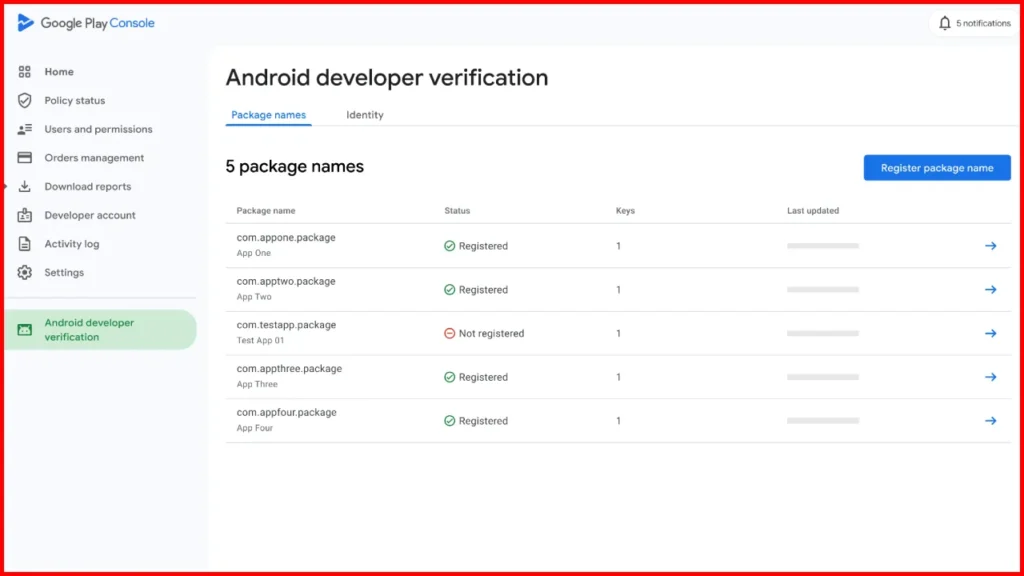
Security is no longer a matter of simply using passwords and two-factor authentication. The introduction of live biometric verification takes security to another level, adding an additional layer of certainty regarding a developer’s identity. This is essential in building trust within the app ecosystem.
The face verification system also acknowledges the increasing complexity involved in app development and distribution. With more developers entering the field, and existing ones expanding their reach, the need for stringent verification processes only intensifies. Google is laying down the law to ensure that those creating applications are rightfully authorized to do so, thus inherently protecting user data and application integrity.
User Empowerment Through Enhanced Security
By implementing these changes, Google ultimately aims to empower users, giving them the confidence that the apps they download are legitimate.
The new system also engages users by requiring them to trust the verification protocols. This level of transparency in how developers are vetted ensures that users are less likely to download potentially harmful apps.
This shift represent a proactive approach, rather than just reactive measures taken after a breach or fraud occurs. Security isn’t merely a box to check; it’s an integral part of user experience and satisfaction.
As developers adapt to these changes, they are not only contributing to a more secure platform but are also aligning themselves with Google’s commitment to modern digital ecosystems. Greater investment in security is expected to yield returns in terms of user trust and loyalty, forming a positive feedback loop for the entire ecosystem.
A step-by-step compliance guide for Android app creators facing Google’s strict 2027 identification rules. Detail the exact documentation needed
The introduction of the New Face Verification System necessitates comprehensive compliance guidelines for Android app creators. Developers must be aware not only of the verification process itself but also of the documents required for submission in order to meet Google’s strict identification rules in 2027.
Understanding Documentation Requirements
The very first step for developers is understanding the necessary documentation needed for identity verification.
Developers will need to provide several crucial documents, including a government-issued ID, proof of address, and possibly an organizational charter if they are submitting on behalf of a company. The verification protocol might require an employer verification letter for those representing organizations rather than individual developers.
The documentation must be accurate, as discrepancies can lead to delays in the verification process. Therefore, it’s advisable to double-check each detail, ensuring names match between the identification and the application being submitted for verification.
Additionally, developers may need to submit their business registration documents, which could include tax identification numbers or licenses, depending on the region. Knowing the expected documents not only helps streamline the compliance process but also shields developers from unnecessary delays.
The Verification Procedure
Once the documentation is in order, developers will go through the user interface of the Google Play Console to begin the verification process.
Navigating this interface may initially seem daunting. However, Google has designed it to guide developers through each required step seamlessly. This helps ensure that developers complete the necessary actions to submit their identities without encountering complications.
As part of the verification procedure, developers will engage in a live biometric face verification session, capturing their likeness in real-time to ensure their identity. During this session, it’s crucial to follow the guidelines laid out by Google, such as ensuring adequate lighting, how to position the camera, and actions that need to be taken during the face scan.
Maintaining Compliance Post-Verification
Once verified, the compliance doesn’t end. Developers must be vigilant about maintaining their verified status.
Regular updates and checks will be essential. Google is likely to enforce periodic re-verifications and updates to documentation over time. Therefore, it’s advisable for developers to keep a calendar noting when updates may be necessary — for instance, when business licenses or government IDs expire.
The incoming regulations won’t only impact new developers but will also have ramifications for seasoned developers managing established accounts. Any lapses in documentation or failure to re-verify could result in being locked out of the platform, causing significant operational setbacks.
How the live biometric face verification and selfie-matching process works to combat the use of stolen developer accounts
One of the most innovative features of the New Face Verification System is its live biometric face verification and selfie-matching capabilities. This technology is designed as a deterrent against the rampant issue of stolen developer accounts which often lead to fraudulent activities in the app ecosystem.
Overview of Live Biometric Verification
Live biometric verification acts as the first line of defense in securing developer identity.
The verification process involves meeting certain technical specifications set by Google. Developers are required to hold the camera steady while their image is captured through a series of frames. Employing advanced algorithms, Google analyzes these frames utilizing machine learning techniques to detect authenticity.
This process differs significantly from static image comparisons, as it requires the developer to be engaged in real-time. The goal here is to eliminate the possibility of using a photo or video of a legitimate developer to attempt to bypass verification.
Sensitive data remains secured, and biometric scans are generally encrypted to protect privacy concerns.
Selfie-Matching Technology
Following the live capture, developers must partake in a selfie-matching process, where the captured image is automatically compared against existing entries in the database.
This phase is a crucial aspect as it ensures that the same individual seeking to publish an app also appears in prior submissions. If the images do not match, the system will flag the account, and developers may need to restart the verification process from the beginning.
This sophisticated technology does not take verification lightly, meaning every detail matters. Developers must ensure that they present themselves clearly and directly, as a poorly lit or obstructed image could lead to failed matching, resulting in unnecessary setbacks.
Addressing Privacy and Ethical Concerns
While the advantages of live biometric verification are vast, it’s also essential to take into consideration the associated privacy and ethical implications.
The introduction of biometric technology raises the question of how developers’ data is stored, processed, and utilized. Transparency must be a focus for Google, ensuring that developers understand how their data will be used.
It’s vital for Google to issue clear policies governing how biometric data is stored (if at all), what measures are in place to protect it, and how long it will be retained. Trust will play an essential role as developers assess whether engaging in biometric verification is a worthwhile trade-off for enhanced security.
And the critical global rollout deadlines they must meet to avoid app installation blocks
The timeline set forth by Google is critical for all developers aiming to comply with the new verification protocols. Understanding and adhering to these deadlines will be key in preventing potential installation blocks for apps on the Google Play Store.
Importance of Adhering to Deadlines
The implementation of the new system will impose strict consequences for non-compliance, which could hinder app distribution.
Developers must be particularly attentive on a global scale, as missing deadlines can lead to serious operational issues. Failure to validate their identity and follow the steps defined in the Google Play Console Guide could mean that their apps remain unavailable for installation.
Developers should proactively plan their timelines, giving themselves ample time to navigate each step and present the required documentation. This foresight will help mitigate stress leading up to and on the deadlines.
Focused Enforcement Periods
Google’s timelines consist of several mandatory enforcement phases that each developer will need to be aware of.
The preliminary period for the exact launch dates will delineate the specific regions in which enforcement will first take hold. Understanding that certain areas like Brazil, Indonesia, Singapore, and Thailand will be early adopters of these policies allows developers to steer their resources efficiently.
For developers in these regions, there may be an additional incentive to comply as they will face stringent checks earlier than their counterparts elsewhere. It would be prudent for developers in these initial settings to lead the charge for compliance before others are subjected to the same checks in later enforcement phases.
Global Rollout Schedules
Following the initial rollout, the timeline will expand to broader territories, covering the rest of the globe, and impacting developers operating in major markets such as the United States and Europe.
Being aware of these dates allows developers to prioritize their agendas. Deployment of the New Face Verification System in advanced markets raises the stakes, as compliance must be assured to retain access to the Google Play Console effectively.
The cascading effect of failing to meet these global schedules could result in lost revenue and diminished user trust, making it paramount that developers stay ahead with their compliance mechanisms.
Impact on Sideloading and Power Users
The new verification measures will reshape the environment for both developers and users, specifically affecting the practice of sideloading applications and the experiences of power users who typically engage in such activities.
Sideloading: A New Perspective
Sideloading applications allows users to install apps directly from sources other than the Google Play Store, a practice that has long been a staple for enthusiasts and power users alike.
However, changes to Google’s policies will likely make sideloading more challenging, as app installation will become inherently linked to verified developers. Possible new restrictions would mean that apps not connected to a verified account may be deemed unsafe for installation under new guidelines.
While this may be intended to enhance security, it will curtail the freedom users currently enjoy, placing them at odds with the traditional ethos of open-source platforms. Developers will need to balance the need for authentic verification with the desires of users who seek flexibility and choice.
Power Users: A Shift in Dynamics
Power users, typically early adopters of technologies, could find themselves with constrained options as verification processes are implemented.
Such a shift may deter some users from continuing to sideload applications. This could lead to increased demand for verified applications that are guaranteed as safe by Google but might also result in frustration for users who prefer alternative options.
In the ever-growing app landscape, compromising the level of freedom may spark dissent from consumer advocates. Power users thrive on exploring new technologies and experimenting with novel applications, a practice that may be stymied by the commercial landscape dictated by strict verification standards.
Bridging the Gap
It’s crucial for Google to find a way to bridge the gap between enhanced security and user freedom.
Developers and industry experts should advocate for open communication regarding how the new verification processes will be integrated into the framework where users can still have some leeway to explore and experiment.
User feedback will be invaluable in shaping how Google positions these policies and their real-world implications. Striking a balance between security and the ethos of the open-source community will determine whether the new measures will ultimately be embraced or resisted.
The Rollout Timeline
The rollout timeline for the New Face Verification System is pivotal. Understanding these phases will enable developers to prepare well in advance.
April – August 2026: Users will see the Android Developer Verifier added to system services
During this initial phase, the introduction of the Android Developer Verifier will be key. Existing developers will notice system updates that enable verification processes, while newcomers can begin to familiarize themselves with the mechanics involved.
This preliminary period will allow stakeholders to understand the broader implications of the system, gathering feedback and making tweaks as necessary. However, developers should not become complacent during this time; proactive steps should be taken to ensure readiness before stricter deadlines approach.
Limited-distribution accounts open up for students and hobbyists
A notable aspect of this phase will be the introduction of limited-distribution accounts catering to students and hobbyists.
Opening up these accounts will likely inspire the next generation of developers and may lead to innovative applications emerging from unexpected places. This inclusion could foster a diverse range of app inquiries that even high-level discussions may overlook.
While beneficial, this move also accentuates the importance of educational resources surrounding the new compliance rules as students may not previously be familiar with the nuances of the Google Play Console or the face verification system.
Fostering Development Communities
As these accounts become available, supporting communities will be critical. Developers from various backgrounds can forge partnerships, share knowledge, and collaborate on applications that capture unique perspectives.
As the technical and bureaucratic barriers begin to dissolve for a new wave of creators, the potential for creativity and innovation within the app landscape will grow exponentially.
September 30, 2026: Strict enforcement goes live for initial regions (Brazil, Indonesia, Singapore, and Thailand). Apps not tied to a verified developer cannot be installed by everyday users in these areas.
Following the preliminary phase, September 30, 2026, marks a significant milestone for developers operating in the initial regions targeted by Google.
Enforcement Mechanisms Coming into Play
With strict enforcement of the new guidelines taking effect, developers will need to ensure they are entirely compliant.
Any applications that fail to link to verified developers will be blocked from installation by everyday users. Such a constraint emphasizes how critical identity verification will be, as it shifts from mere policy to a regulatory requirement integral for developers aiming to distribute their applications.
Adjusting to New Norms
The adaptation period surrounding these changes may have mixed reactions from developers, particularly from those unprepared for the sudden shift. Some developers may rush to comply, while others might struggle with the abrupt transition in their operating paradigms.
Navigating this complex landscape will demand agility and proactive communication among developers, Google, and users.
The Implications for the Global Landscape
The outcomes within these regions could pave the way for even broader changes as the system grows. Success in enforcement will not only bolster user confidence in the apps available for download but will provide a framework for other regions to follow suit.
Understanding these dynamics will allow developers to align their strategies effectively and draw insights from these initial implementations ahead of broader enforcement.
2027 and Beyond: The mandate expands globally, covering the United States, Europe, and all remaining regions
Following the initial phases, 2027 and beyond usher in an era of global compliance, as the mandate extends across the globe.
Preparing for Global Rollout
As the New Face Verification System implementation expands, developers across the United States, Europe, and other areas will have to double down on compliance efforts.
The importance of understanding differing legal requirements and expectations will become paramount as regional regulations come into play. Happily, the groundwork established in initial regions might offer valuable lessons for adaptation, scalability, and best practices.
Continued Vigilance
As enforcement periods roll out, developers cannot afford to become complacent. Continuous efforts to meet verification requirements and stay informed will be crucial, as failing to navigate this landscape wisely can have dire consequences.
Consumers will be watching closely as technologies popularized during the initial pilot regions are rolled out in more sophisticated markets. Ensuring that the user experience remains unblemished will be paramount in maintaining loyalty.
Ecosystem Interactions
Finally, the interaction between various stakeholders in the Google Play ecosystem will evolve. Developers, Google, and users will forge new relationships amidst changing dynamics and expectations, making it imperative to maintain open communication lines.
As app development evolves, adapting to these changes can help cultivate a flourishing ecosystem where creativity and security can coalesce.
Conclusion
Google’s New Face Verification System, as outlined in the Google Play Console Guide, represents a comprehensive evolution in app development, requiring strict compliance from developers to enhance security and identity verification. As we navigate the implications of this new system, the need for detailed documentation, live biometric face verification processes, and critical global deployment timelines will remain crucial for avoiding app installation blocks. By proactively preparing and engaging within the new framework, developers can ensure a thriving future in app distribution while balancing security with user freedom and creativity.








Be the first to leave a comment!